
the divine is absolutely everywhere!

Today in Celtic Lent we expand on the non dualistic approach of the Celtic Christians.
These Christians saw the divine in every aspect of life.
As they went on journeys they were aware that the divine presence of God was within them, was also with them journeying alongside, and was in every person they encountered and every experience they came across.
They simply saw the divine creator flowing through absolutely everything.

This mightily challenges me today.
As I approach every person at work today I am going to look for the divine presence.
As I chat with workmates I will be looking for signs of the divine presence.
As I journey through my day today, I will be on the look out fort for those divine appointments which I have regularly experienced in my life.
I’d like to share one divine appointment of my own.
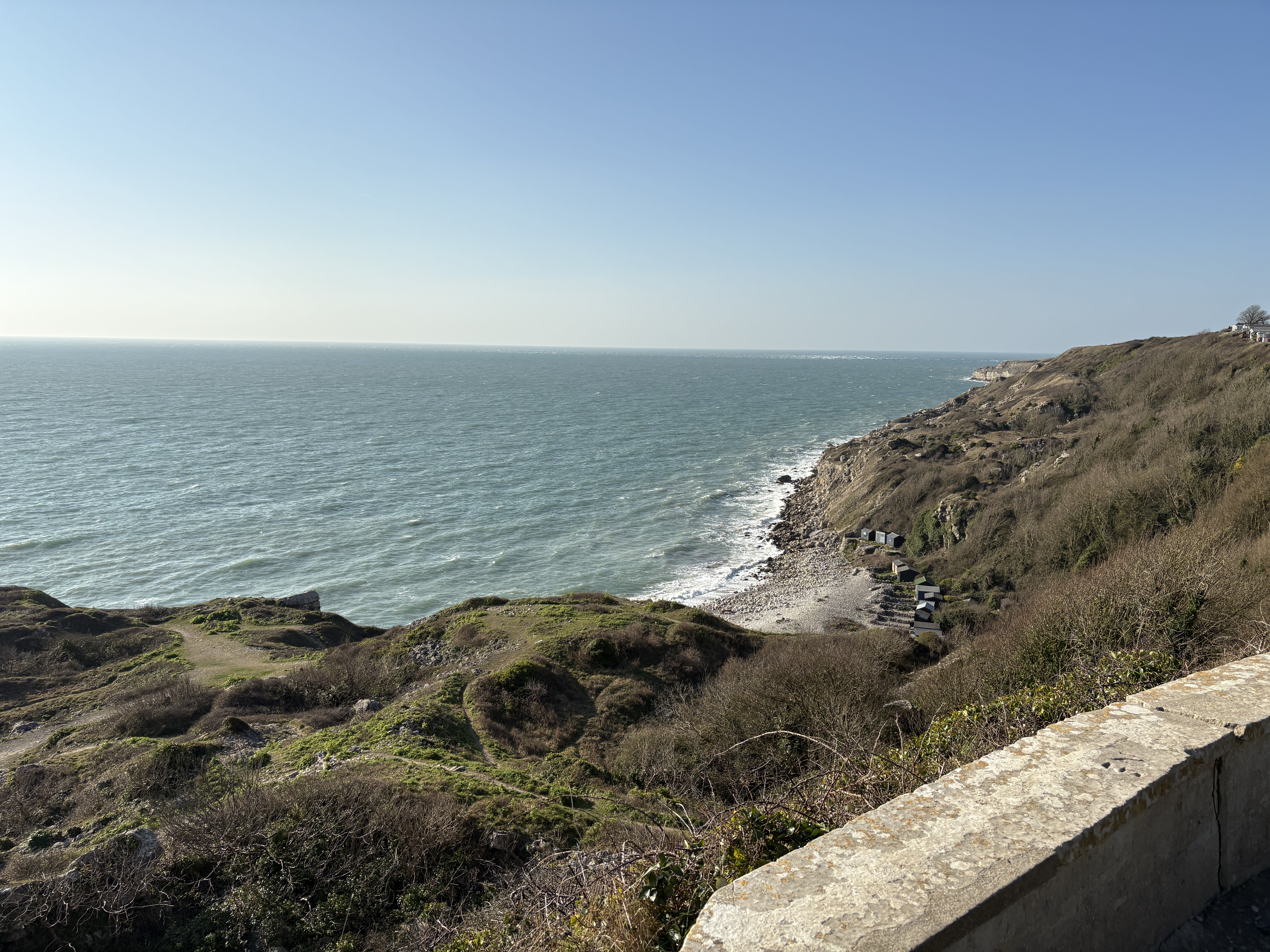
On a previous visit to my home town of Weymouth I was sat in the Boot Inn. While sat at the bar a guy started talking to me. After a little while this man started to share deep stuff about the relationship between himself and his parents. He also shared that he was a Falklands veteran and wanted to talk about some of the horrors he’d experienced.
This divine appointment was a real privilege to be part of.

As we left the pub, I remember Sarah remarking that that always seemed to happen to me and asking why. I don’t have an answer other than I’m open and ready to hear.

So … as you journey through today, remember you walk on holy ground. Remember you carry the divine within you. Remember the divine walks alongside you. Remember the divine is in every situation you encounter. Remember the divine is within every person that you meet.

Maybe be on the lookout and consider how this knowledge impacts on your journey today.
I’d love to hear your stories

names

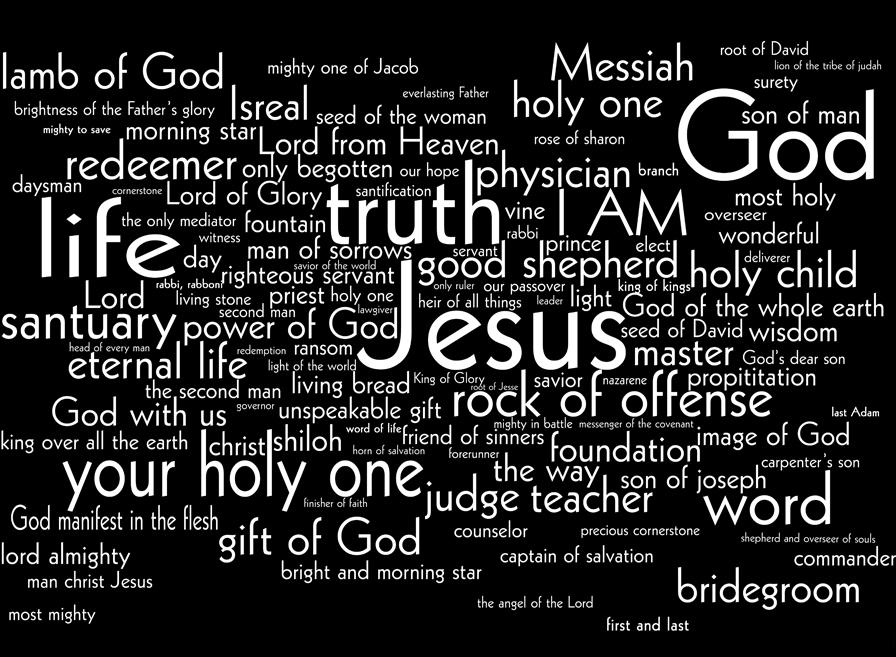
Today’s Celtic Lent thought gets us to think further about the names we use for God. It outlines in the past how ancient communities have taken certain attributes of God’s character and how these would often relate to the sins of the writer. For example, the writer naming God as ‘guiding light’ may have come from the writer feeling lost and not knowing what to do next.

the Celtic poem, Prayer, talks of God as; holy storyteller, holy scholar, silent one, and generous thunderous giver of gifts. Some amazing names and attribute of God there to focus on.

Throughout today, in my setting, I have asked myself what attributes of God resonate the most with myself at the moment. I have settled on ‘Rock like warrior of a hundred hosts … inspire me, lead me, fight for me, restore me’.

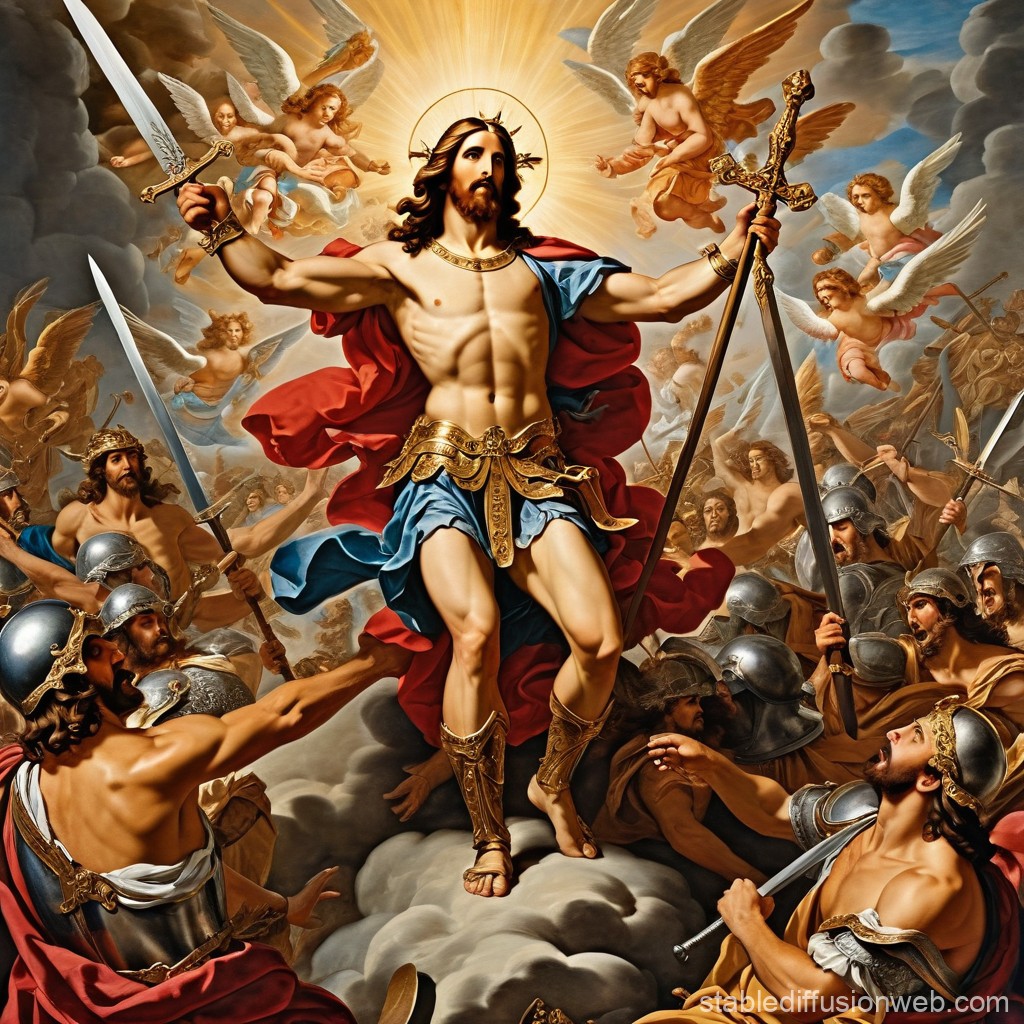
Warrior Jesus

source: https://stablediffusionweb.com/image/18295280-warrior-jesus-in-battlefield-with-angels

In today’s Celtic Lent reading we hear abut Jesus as a victorious hero more than as a loving saviour.

The Celtic Christians loved their hero sagas of where the great warriors were honoured as well as remembered. They sous sing about their heroes and their great feats. Their heroes lived with an everyday sacrificial struggle, giving up their lives to save someone or a group of people.

At the cross this hero status was placed on Jesus. Christ is their conquering hero, defeating satan so that we can live a full life.

Throughout today I have reflected on this ‘different’ approach to the works of the cross. I have wondered what difference a conquering hero makes over a loving saviour and how that difference, if there is one, could lay out in my daily journey with God.

How do I react to this image of Jesus the warrior?
How do you react to this image?

creation

Today’s Celtic Lent thought has us focussing on creation.
Yesterday we were reminded that the Celtic Christians took a non-duality approach to life. Today we remember that they believed that all of creation is being reconciled back to God through the work of Jesus and not just humanity.

When I discovered this a few years ago it became clear top me that my rhythm of life had to have a creation/environment element to it if it was going to journey with a God who was in love with the whole of creation, and not just people. For me, my rhythm of life has an aspiration to recycle as much as possible and to deliberately avoid products consisting of non recyclable materials. It’s not alleys easy and sometimes you have to search a little longer than you might like. But I personally feel it is important to make the effort.

Just before committing to this element of my rhythm I met a couple who ha been in church ministry for years who on the whole avoided buying anything new and recycled as much as possible. They got their clothes from charity shops and any appliances or vehicles were always purchased second hand. I really admired their commitment to their homegrown rule. It challenged me massively as well but (shallow I know), I like to buy new clothes and hats so that wasn’t a step I could take. I do, however, feel I should be able to!

So … how do we view the earth?
Is the earth special and sacred to you?
Would you change how you ‘walked’ if you remembered you were always standing on sacred ground?

Be thou

In today’s reading we looked at the wonderful Celtic hymn of ‘Be Thou My Vision’. David Cole introduced us to different lyrics from earlier translations which are all based in that foundation of Celtic non-duality in their approach to faith. I have come to love this concept of their being no sacred and secular. God created the world, God inhabits the world and God will recreate the world, so how can the world be anything other than sacred. God is here … the ground we walk on is God’s. Wherever we are, we stand on holy ground …. that is an amazing thought to take into your day!

In today’s contemplation section we were asked to think about the ‘be thou’ statements in the hymn that explain who God is to you and asked to write some for ourselves. This is my attempt below ….

Be thou my Feelings when Ive sunk to the bottom
Be thou my breathing when I can’t catch my breath
Be thou my meditation as I open to you
Be thou my speech to enrich those I meet
Be thou my silence so I can hear what I need to hear
Be thou my passions as I aim for self control
Be thou my Justice when I feel life is unfair
Be thou my hope as I look to new opportunities
Be thou my calm when people around me are shouting

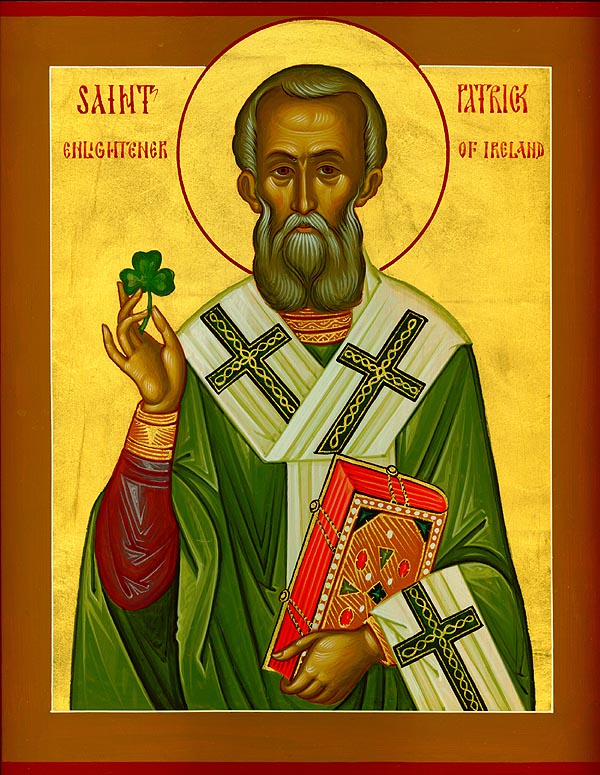
St Patrick’s Prayer

Today’s reading has been looking at St Patrick’s breastplate prayer. As part of my rhythm I have come to use this prayer in its fullness on a weekly basis. On a daily basis, before going out, I use the end part of the prayer which reminds me of who I am and who I walk with:

Christ be with me, Christ within me,
Christ behind me, Christ before me,
Christ beside me, Christ to win me,
Christ to comfort and restore me.
Christ beneath me, Christ above me,
Christ in quiet, Christ in danger,
Christ in hearts of all that love me,
Christ in mouth of friend and stranger.

Sometimes it has been a hard prayer to pray due to my context.
Sometimes I really just don’t want to pray.
Sometimes I’m just too angry with God to pray.
Sometimes I feel too disconnected to pray.
Sometimes I love these words of prayer.

But, without fail, these words lift me daily. Saying these words daily has become a good habit. A practice that constantly reminds me that, no matter what is happening to me or how I’m feeling, that I am not alone. Not only am I not alone, but I am totally surrounded, totally inhabited and totally immersed in God.

discipline v disciple

I’m writing this quite late on Saturday night after an amazing time with friends/family in a (new to me) restaurant. Throughout the day I have reflected on today’s reading which talks about the difference, or not, of the words discipline and discipleship.

In our culture the word discipline is usually thought of as something quite negative. Discipleship is seen as some long term endeavour whilst discipline is seen more as a set of rules and regulations. The Celtic Christians did not recognise any distinction. Instead they saw discipline as practices that helped you on your journey as a disciple. Rather than rules to restrict they were seen more as areas to express and to learn and, a real part of there relationship with God.

I have grown to quite like this ‘both/and’ approach from the early Celtic Christians. Where else, I wonder, is a both/and attitude both powerful and enabling?

the trellis

After this mornings reading I have spent my working day thinking over the whole idea of a rule or rhythm of life being like a trellis. A trellis is used by a gardener to help a plant to grow. Every example of the same plant looks totally different on the trellis as the plant decides which way to grow. Although they have the same genus each one develops differently according to its context: soil, air, environment. The plant develops accordingly in line with what is around the plant.

Taking that principle we can think of rules of life as being a trellis that allows us to grow in our own way and not a structure that wants to limit us. Without the trellis we would lay on the floor, grow laterally and look a bit of a mess. This means we can follow the rule (Trellis) and express it in our own individual way. They way I do silence or prayer may look totally different to how you do silence and prayer ,,, but we are both following the rule and using silence and prayer.

This following of a rule in my own context has been key to my growth over the last few years. For me personally it’s been a tough decade and I am convinced that my faith would have suffered or been cast aside (or even totally lost!) if I was not already in the practice of following my rule of life. When things could have seriously gone wrong fr my life, the strength of my faith has held me …. actually more than that, it has allowed me to excel again in a new context. Like a phoenix, I have risen from the burnt out ashes and can live again …. but only because of the supporting structure of my rule of life.