seeing differently


After reading Jonny’s Lent thought here I have been looking around me differently, looking to see what I will notice in the familiar.

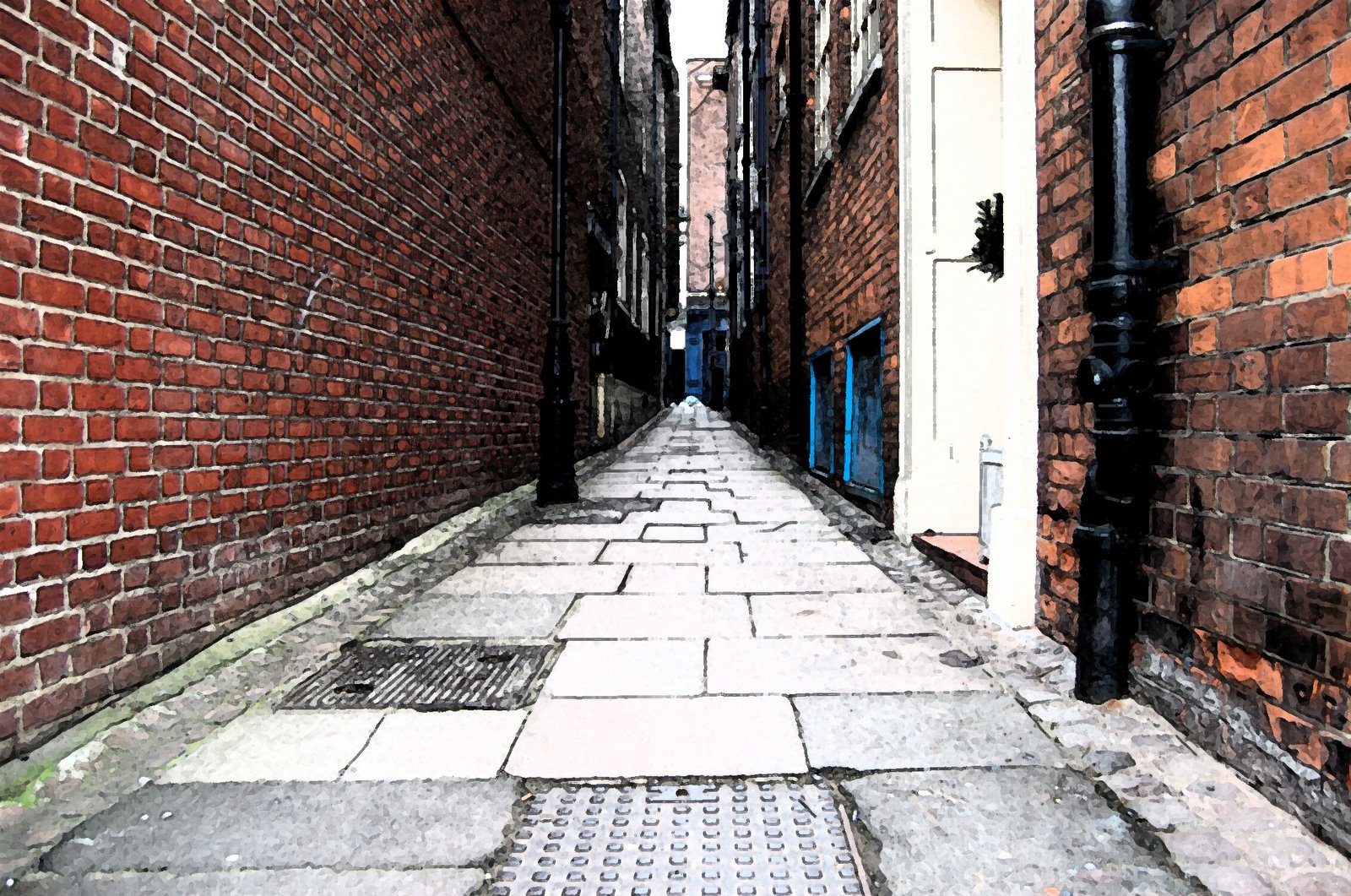
I walk past this alley everyday but had never noticed it before until I took my camera on my prayer walk around Rochester. Things seem to become invisible in the everyday. I sometimes wonder if I have a massive blind spot of familiarity that needs healing.

Beauty


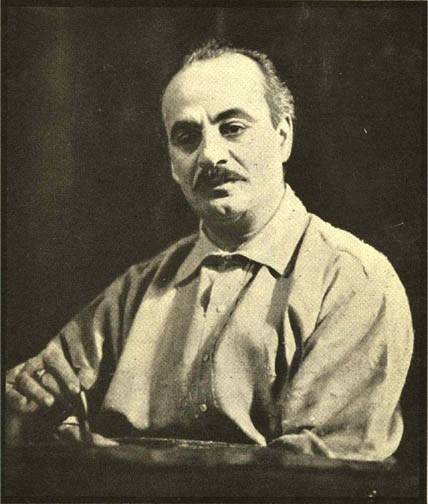
Following the beauty theme yesterday, I am thinking on this quote today from Kahlil Gibran:

‘Beauty is not in the face; beauty is a light in the heart.’

Do we decide when, if and how that light shines?

walk with poise

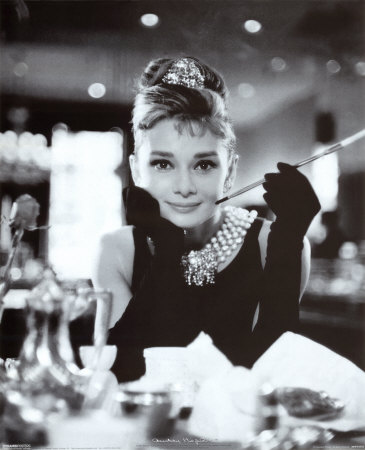
“For beautiful eyes, look for the good in others; for beautiful lips, speak only words of kindness; and for poise, walk with the knowledge that you are never alone.”

This quote from Audrey Hepburn has really resonated with me over the last few days. I’m finding during these early days of lent that as I look more to God I not only see the beauty in others but can walk with that poise that comes from knowing you are walking with God.
The Psalms tell me that I was fearfully and wonderfully made; one could say beautiful in a deep sense of the word. In some quarters the breed of Christianity today says a lot about grace, forgiveness, and how everything is up to God, how we need to allow God to work within us and so on.
I do agree with all that, although I think it can become an extreme that results in a mindset that tells us we do not need to put any real effort is as it is God that will do the work.
maybe its true that God made us beautiful, but our responsibility in maintaining that beauty is to ‘look for the good in others, speak only words of kindness and walk with that knowledge that we are never alone’

40 days of public solitude

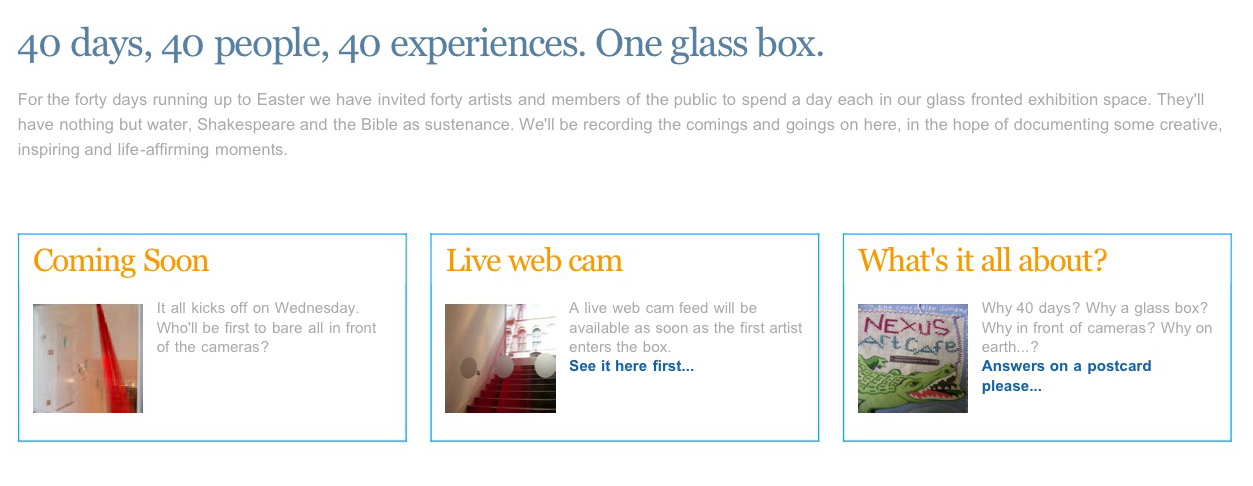
40 days of public solitude goes live today.
’40 days, 40 people, 40 experiences. One glass box.’
I think this will be amazing and I look forward to seeing what will be created.

Archbishop Rowan’s Lent Reflections

Lent Unraveling

I read this at the Taize service last night:

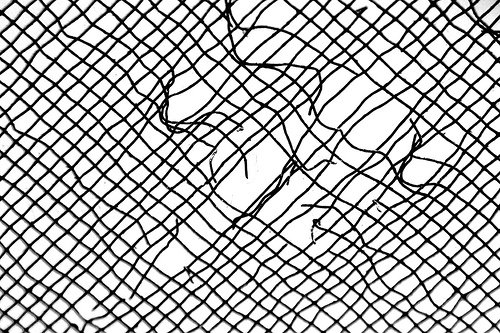
Lent is the time set aside for unraveling.
We human beings are strange creatures, full, it seems, of deep complexities, complexities which stem from layers and layers of memories, lade down within us like layers and layers of rock in the earth, layers and layers of stratified memories which then solidify and become dense and heavy within us.

These heavy layers of memory and history become such that they then govern who we are, they lock us into preconceptions and presuppositions, prejudices which determine our attitudes, our views of others, of the church, of our prospects, of what is going to happen as well as what is past. We become fearful, ungenerous people because we cannot escape from the layers of memory which calcify round our hearts.

Lent is a time for unraveling.
Sin derives from the fear of what will happen if your identity is undone.
Will you allow Christ to pull at the string and unravel your heart?

Melvyn Matthews Nearer than Breathing
(The photo is Kate’s)

The quest pt 2

Further reflections following from yesterday:

In the quest sometimes the hero has no desire to return from the place they end up in.
The quest is to find ‘it’ (whatever it may be)
not to return with ‘it’
But … maybe to stay with ‘it’.
Other times, as in Lord of the Rings, the quest is to deliver ‘it’ or return ‘it’
Then you leave ‘it’ there
And return
carrying ‘it’ no longer.

the quest


Ally McBeal provides my focus for today’s Lent thought:

The real truth is that I probably don’t want to be too happy or content, ‘ cause then what? I actually like the quest, the search. The more lost you are, the more you have to look forward to.

I might just inwardly smile if someone tells me to ‘get lost’ today.

Veils

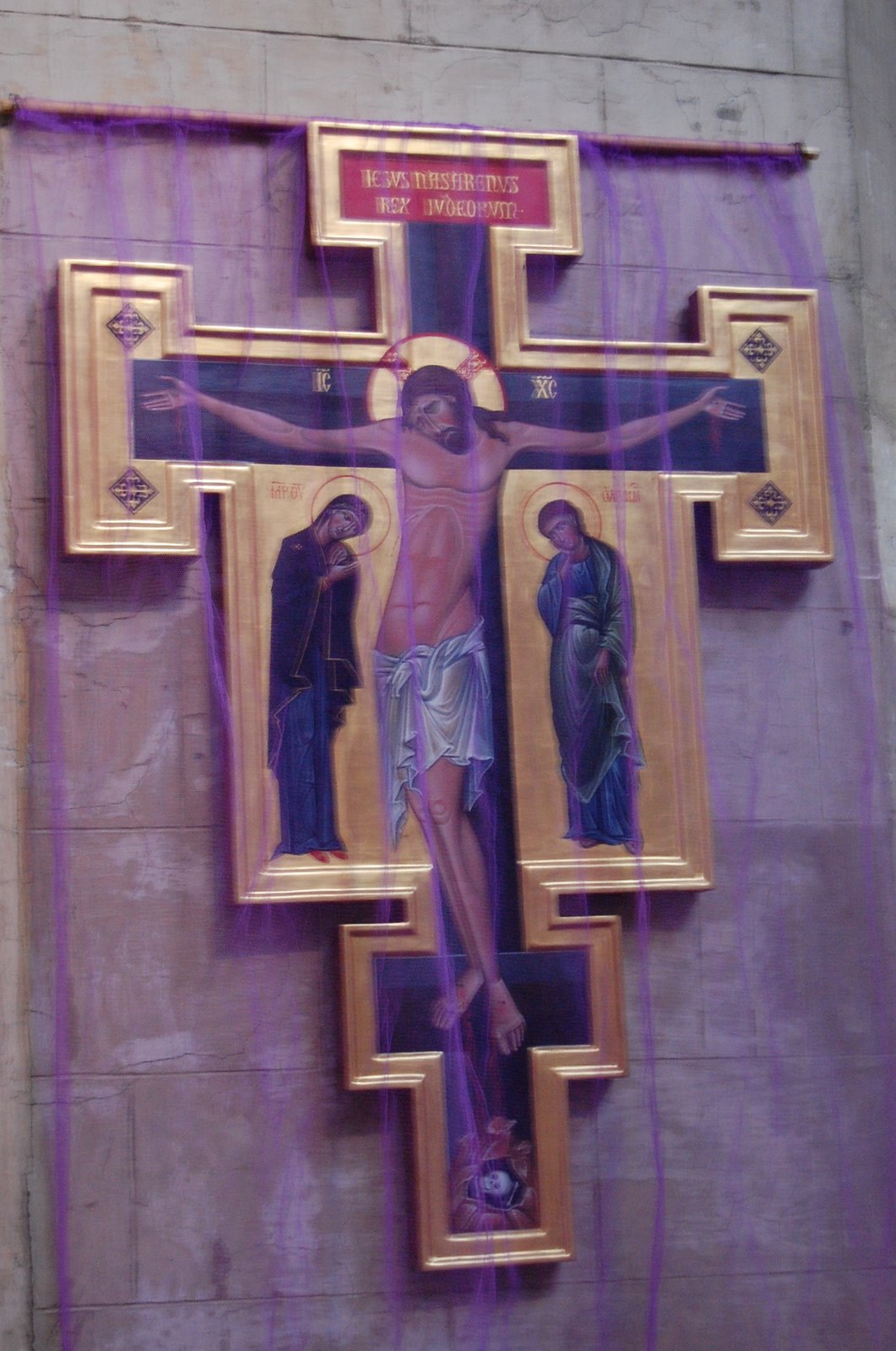
Because it is Lent, the crosses and icons are currently veiled in the cathedral. I’ve not come across this before and so thought I would ask a few questions – its certainly resulted in a lot of comments on my facebook status.

A number of explanations have been along the lines of covering the cross so that we can focus on the journey to the cross. One explanation that is different to others is that it is to help in making the place look more austere so we are hit by the beauty and colour ib full force when everything is unveiled at Easter.

I’ve reflected on this today and its resulted in a realisation that we will, at Easter, be hit afresh by the beauty and colour of normality. At first that seemed odd, but then not. When we live and work in the world we become blind to the beauty and colour of our surroundings. I have only been in the cathedral 6 months, and already I notice taking the beauty of the building for granted. It’s a talent of humanity, we adapt very quickly and change soon becomes the norm.

Maybe the only way to fully appreciate the beauty of our surroundings again is to mask or veil that beauty for a time period, and in this case for 40 days. In that way we miss what we have, and we start to appreciate its beauty in a new and fresh way.

The veil hides the beauty that we have forgotten how to appreciate.
The veil seeks to bring that beauty back into our lives.
ashes

I went to my first ever Ash Wednesday service today and was reflecting on how I felt. The quote below sums it up well:

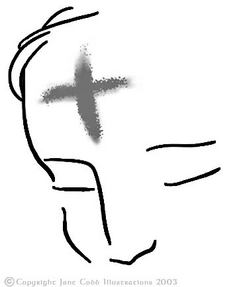
The imposition of ashes on Ash Wednesday is nothing if not bold. … a dark and undeniable slash across your forehead, a bold proclamation of death and resurrection all at once. You forget that it is on your forehead and you walk our of church, out into the world, a living reminder that Christ died for us… The cross on our foreheads is meant to be a dramatic reminder to ourselves – and it is that. When Milind looks at me and says, “Remember that you are dust and to dust you shall return,” I know what God did for me. He not only created me, he then poured out his grace upon me in the blood of his son. Me, a bunch of dust! But the cross also stimulates other people’s questions. It provides an unmistakable opportunity – even obligation – to witness.

By Lauren Winner via Kingdom Praxis